Welcome to Comprehensive Neurology Specialists
Hemifacial Spasms
Hemifacial Spasms: Causes, Symptoms & Treatments
Hemifacial spasm is a nervous system condition in which the muscles on one side of the face twitch. The cause of hemifacial spasm is most often a blood vessel touching or pulsing against a facial nerve. A facial nerve injury or a tumor also can cause it. Sometimes there is no known cause.
Hemifacial Spasms Symptoms
Common symptoms of hemifacial spasm include jerking of muscles in the face that are most often:
- On one side of the face.
- Not controllable.
- Painless
These muscle movements, also called contractions, often start in the eyelid. Then they might move on to the cheek and mouth on the same side of the face. At first, hemifacial spasms come and go. But over months to years, they occur almost all the time.
Sometimes, hemifacial spasms occur on both sides of the face. However, the twitching doesn't occur on both sides of the face at the same time.
Hemifacial Spasms Causes
A blood vessel touching a facial nerve is the most common cause of hemifacial spasm. A facial nerve injury or a tumor also can cause it. Sometimes the cause isn't known.
Hemifacial spasm sometimes starts as a result of:
- Moving the muscles in the face.
- Anxiety
- Stress
- Being tired.
What is hemifacial spasm?
Hemifacial spasms are neurological conditions in which muscles on one side of the face twitch or contract repeatedly and involuntarily. There is usually no pain associated with it, but it may eventually cause swelling around the eye, cheeks, or mouth.
What causes these twitching spells?
An irritated facial nerve (cranial nerve VII) misfires most often when a small blood vessel presses on it where it exits the brainstem. A facial nerve injury, tumor, inflammation, or brainstem lesion may be involved less commonly
Who is most likely to develop hemifacial spasm?
It primarily affects middle-aged and older women, especially of Asian descent. It’s more common in women than men (about 2:1 ratio) and typically begins between ages 40–60. Cases involving both sides of the face are very rare (under 5%)
How is it diagnosed?
Doctors usually start with a neurological exam. Imaging—MRI with angiography—helps detect if a blood vessel or mass is pressing on the facial nerve. Electromyography (EMG) may also be used to confirm nerve malfunction
What treatment options are available?
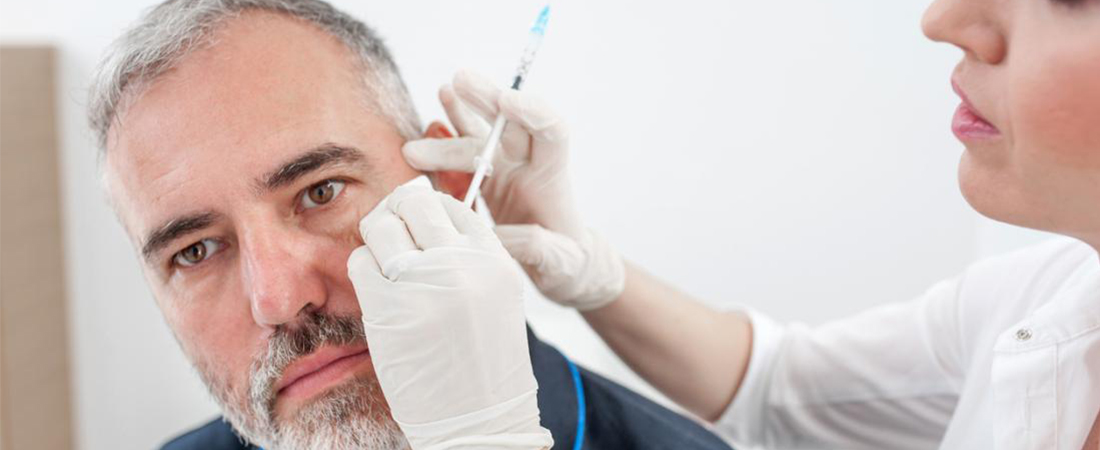
Botulinum toxin (Botox) injections into affected facial muscles can temporarily stop the spasmsthis works well for many and needs repeating every 3–4 months Oral medications—like anticonvulsants or muscle relaxants—can be used but are less consistently effective Microvascular decompression (MVD) surgery offers a long-term solution by relieving the pressure on the facial nerve. Success rates are high (~80–90%), though it's a major procedure with potential risks.
