Welcome to Comprehensive Neurology Specialists
Comprehensive Parkinson’s Disease: Causes, Symptoms, and Treatments
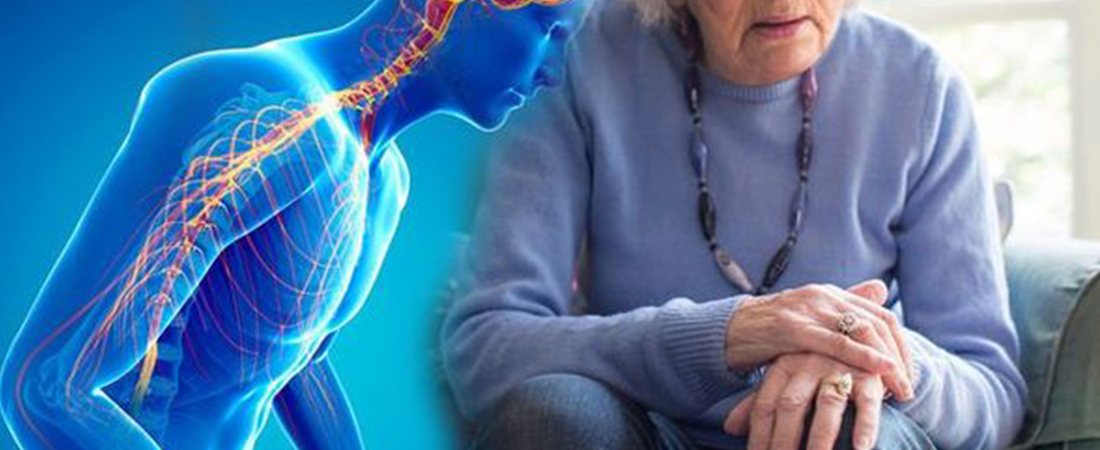
Parkinson's disease is a progressive disorder that affects the nervous system and the parts of the body controlled by the nerves. Symptoms start slowly. The first symptom may be a barely noticeable tremor in just one hand. Tremors are common, but the disorder may also cause stiffness or slowing of movement.
In the early stages of Parkinson's disease, your face may show little or no expression. Your arms may not swing when you walk. Your speech may become soft or slurred. Parkinson's disease symptoms worsen as your condition progresses over time.
Although Parkinson's disease can't be cured, medications might significantly improve your symptoms. Occasionally, your health care provider may suggest surgery to regulate certain regions of your brain and improve your symptoms.
Parkinson’s Disease Symptoms
Parkinson's disease symptoms can be different for everyone. Early symptoms may be mild and go unnoticed. Symptoms often begin on one side of the body and usually remain worse on that side, even after symptoms begin to affect the limbs on both sides.
Parkinson's symptoms may include:
- Tremor. Rhythmic shaking, called tremor, usually begins in a limb, often your hand or fingers. You may rub your thumb and forefinger back and forth. This is known as a pill-rolling tremor. Your hand may tremble when it's at rest. The shaking may decrease when you are performing tasks.
- Slowed movement, known as bradykinesia. Over time, Parkinson's disease may slow your movement, making simple tasks difficult and time-consuming. Your steps may become shorter when you walk. It may be difficult to get out of a chair. You may drag or shuffle your feet as you try to walk.
- Rigid muscles. Muscle stiffness may occur in any part of your body. The stiff muscles can be painful and limit your range of motion.
- Impaired posture and balance. Your posture may become stooped. Or you may fall or have balance problems as a result of Parkinson's disease.
- Loss of automatic movements. You may have a decreased ability to perform unconscious movements, including blinking, smiling or swinging your arms when you walk.
- Speech changes. You may speak softly or quickly, slur, or hesitate before talking. Your speech may be more of a monotone rather than have the usual speech patterns.
- Writing changes. It may become hard to write, and your writing may appear small.
Causes
In Parkinson's disease, certain nerve cells called neurons in the brain gradually break down or die. Many of the symptoms of Parkinson's are due to a loss of neurons that produce a chemical messenger in your brain called dopamine. When dopamine levels decrease, it causes irregular brain activity, leading to problems with movement and other symptoms of Parkinson's disease.
The cause of Parkinson's disease is unknown, but several factors appear to play a role, including:
- Genes. Researchers have identified specific genetic changes that can cause Parkinson's disease. But these are uncommon except in rare cases with many family members affected by Parkinson's disease.
- However, certain gene variations appear to increase the risk of Parkinson's disease but with a relatively small risk of Parkinson's disease for each of these genetic markers.
- Environmental triggers. Exposure to certain toxins or environmental factors may increase the risk of later Parkinson's disease, but the risk is small.
Researchers also have noted that many changes occur in the brains of people with Parkinson's disease, although it's not clear why these changes occur. These changes include:
- The presence of Lewy bodies. Clumps of specific substances within brain cells are microscopic markers of Parkinson's disease. These are called Lewy bodies, and researchers believe these Lewy bodies hold an important clue to the cause of Parkinson's disease.
- Alpha-synuclein found within Lewy bodies. Although many substances are found within Lewy bodies, scientists believe that an important one is the natural and widespread protein called alpha-synuclein, also called a-synuclein. It's found in all Lewy bodies in a clumped form that cells can't break down. This is currently an important focus among Parkinson's disease researchers. Researchers have found the clumped alpha-synuclein protein in the spinal fluid of people who later develop Parkinson's disease.
What is Parkinson’s disease?
It is diagnosed through a detailed medical history, neurological exam, and symptom assessment. In some cases, a skin biopsy and scan may also be used.
What are the early warning signs of Parkinson’s?
Common signs include tremors, slowed movement, stiffness, trouble with balance, and subtle changes in handwriting or facial expressions.
How is Parkinson’s diagnosed?
It’s diagnosed through a detailed medical history, neurological exam, and symptom assessment often without the need for imaging.
Is there a cure for Parkinson’s disease?
Currently, there is no cure, but medications, therapy, and specialized care can significantly improve quality of life and slow progression.
What kind of support or treatment do you provide?
Comprehensive Neurology Specialists offer personalized care, including medication management, physical therapy guidance, and ongoing support for patients and caregivers.
