Welcome to Comprehensive Neurology Specialists
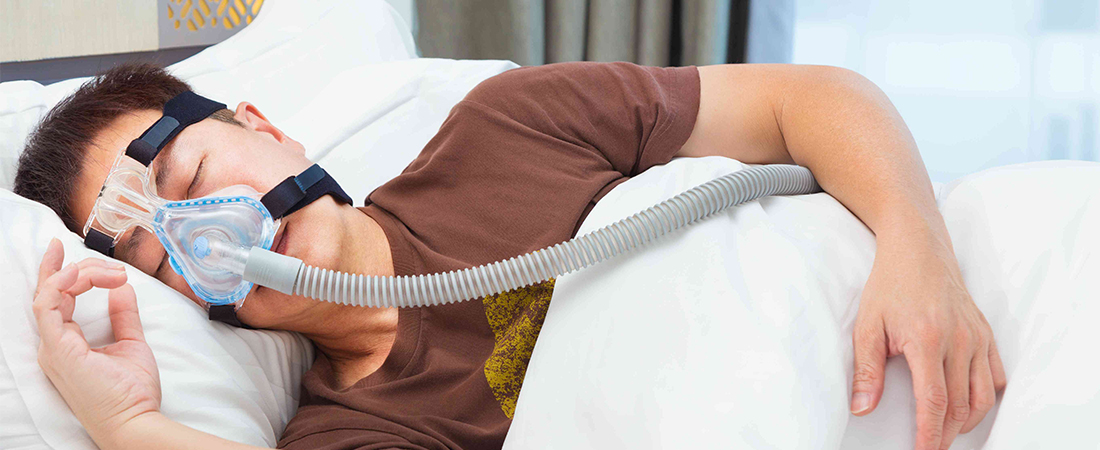
Understanding Sleep Apnea: Causes, Symptoms, and Treatment
Sleep apnea is a potentially serious sleep disorder in which breathing repeatedly stops and starts. If you snore loudly and feel tired even after a full night's sleep, you might have sleep apnea.
The main types of sleep apnea are:
- Obstructive sleep apnea (OSA), which is the more common form that occurs when throat muscles relax and block the flow of air into the lungs
- Central sleep apnea (CSA), which occurs when the brain doesn't send proper signals to the muscles that control breathing
- Treatment-emergent central sleep apnea, also known as complex sleep apnea, which happens when someone has OSA — diagnosed with a sleep study — that converts to CSA when receiving therapy for OSA
Sleep Apnea Symptoms
The symptoms of obstructive and central sleep apneas overlap, sometimes making it difficult to determine which type you have. The most common symptoms of obstructive and central sleep apneas include:
- Loud snoring
- Episodes in which you stop breathing during sleep — which would be reported by another person.
- Gasping for air during sleep.
- Awakening with a dry mouth.
- Morning headache.
- Difficulty staying asleep, known as insomnia.
- Excessive daytime sleepiness, known as hypersomnia.
- Difficulty paying attention while awake.
- Irritability
What is sleep apnea?
Sleep apnea is a disorder where your breathing repeatedly stops and starts during sleep, often causing loud snoring and poor sleep quality.
What are the symptoms of sleep apnea?
Common symptoms include loud snoring, gasping for air during sleep, excessive daytime tiredness, morning headaches, and trouble concentrating.
Is sleep apnea dangerous?
Yes. If left untreated, it can increase the risk of high blood pressure, heart disease, stroke, diabetes, and other serious health issues.
How is sleep apnea diagnosed?
It’s usually diagnosed through a sleep study (polysomnography) that monitors your breathing, heart rate, and other vital signs overnight.
What treatments are available for sleep apnea?
Treatment options include lifestyle changes, CPAP machines, dental devices, and in some cases, surgery all tailored to the severity of your condition.
